

Key Takeaways
-
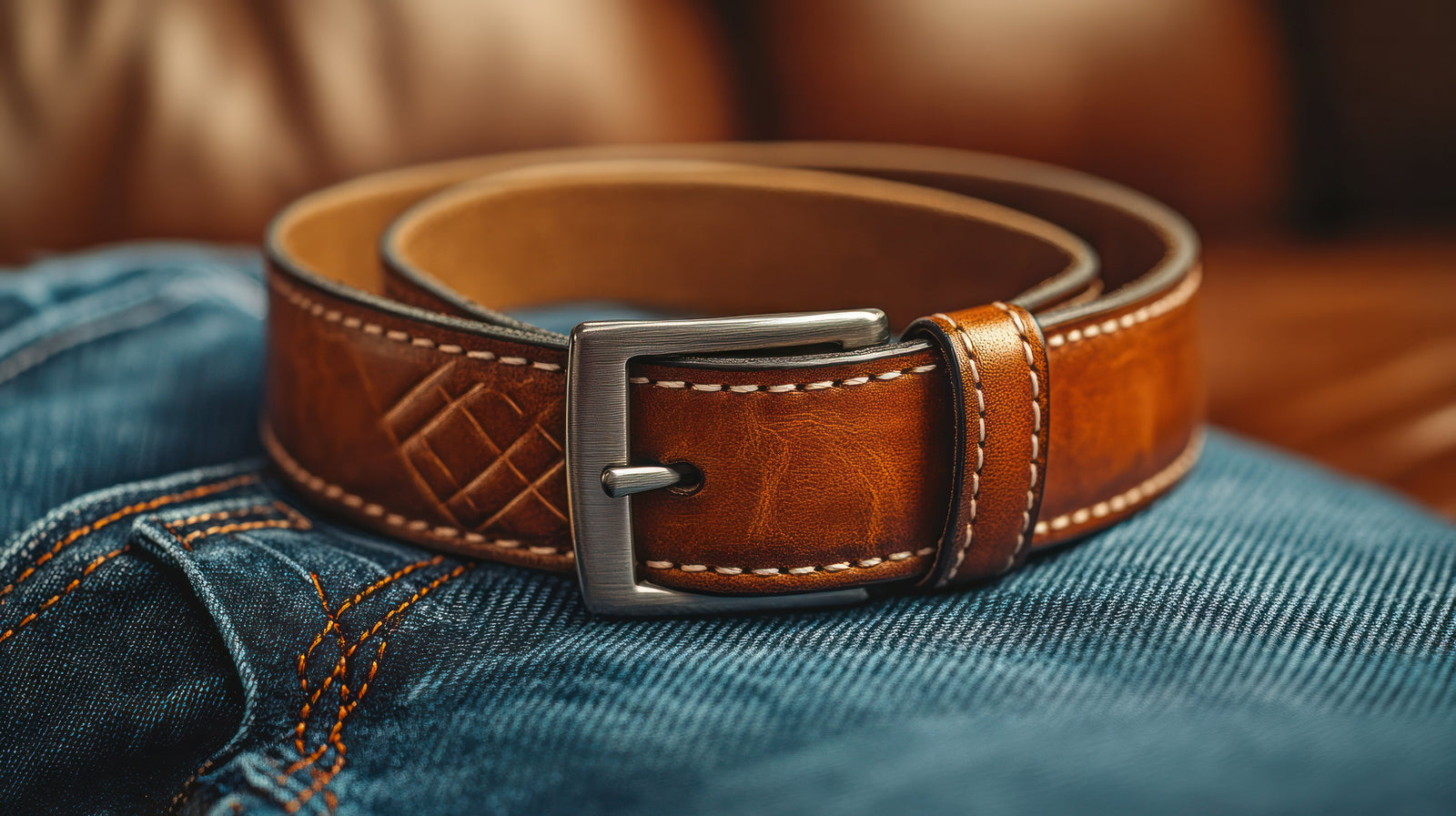
A 1.5-inch leather belt is a useful starting point for jeans, provided your belt loops accommodate its width and thickness comfortably.
-
A 1.25-inch belt can work with denim when you prefer a narrower, more refined appearance. Check its proportions with the whole outfit.
-
Choose the leather finish around the jeans you wear most. Distressed leather complements worn denim, while a smoother finish can help dress up a darker pair.
-
At Hanks Belts, compare the Crazy Horse for a relaxed look, the Canyon for a more finished appearance, and the Ledger for a narrower alternative.
-
Get the length right using the chosen model's sizing instructions. Tightening a belt excessively won't correct jeans that fit poorly at the waist.
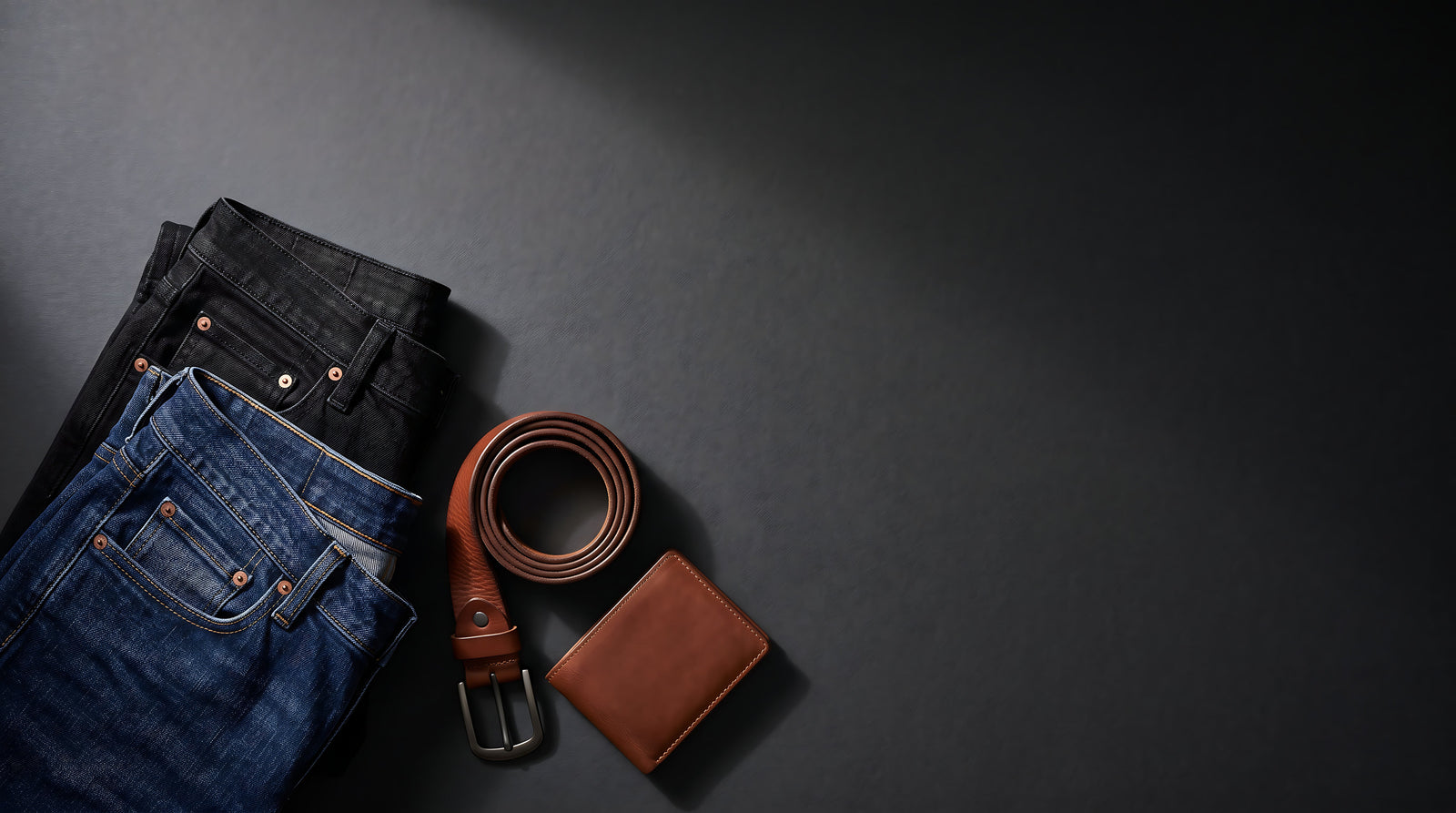
Your favorite jeans already have a certain look. Maybe they're faded at the knees and usually worn with boots. Perhaps they're dark, neatly fitted, and reserved for dinner out. The belt that looks right with one pair might feel a little out of place with the other.
At Hanks Belts, we'd start there. Before choosing a belt, think about the denim and shoes you actually wear. Then look at strap width, leather finish, and buckle shape together.
For many casual outfits, we'd begin with a 1.5-inch full-grain leather belt. If you're after something more refined, a smoother finish or narrower strap may suit you better.
Here's how to work through those choices without making getting dressed complicated.
-
Start With Your Jeans, Then Choose the Belt
Take out the pair you wear most and look at the waistband. Check how much room the loops provide and how the jeans sit when you're wearing them. You'll learn more from that than from the size printed inside them.
Next, consider the outfit. A T-shirt and faded jeans leave room for a more rugged belt. A tucked button-down and dark denim may call for something quieter, especially when you're wearing dressier shoes.
These are starting points, not rules you have to follow.
If you enjoy a strong buckle or an unusual color combination, there's room for that. The aim is to make the choice deliberately rather than buying a belt that never quite feels right.
It also helps to decide whether you're buying for one outfit or several. If you want one belt for most of your jeans, choose around your usual clothes first. An occasional outfit is easier to accommodate later.
-
Choose a Width That Fits the Loops and the Look
Width changes how much of the waistband the belt occupies. It affects the visual balance of your outfit, but it also determines whether threading the belt is straightforward or a daily struggle.
Why 1.5 Inches Is a Useful Starting Point
A 1.5-inch strap gives many jeans outfits a familiar casual proportion. It has enough visual presence alongside denim seams and larger pockets without requiring an oversized buckle.
Still, measure your loops before assuming it will fit. Check several, including the ones near the front pockets and at the back. Their usable openings may be smaller than they appear once the fabric and stitching are taken into account.
Thickness matters here too.
A loop that accepts a thinner strap of a particular width may feel crowded around a thicker one. You want the leather to pass through without stretching the loop or having to fold the strap.
When a Narrower Belt Makes Sense
A 1.25-inch belt is worth considering if you prefer a slimmer line through the waistband. It can work especially well when you're wearing clean dark denim with a tucked shirt and relatively refined shoes.
Try to judge it in a mirror with the complete outfit. A narrow belt can look intentional with one pair of jeans and visually small with another, depending on the loops, rise, and overall cut.
Choosing a narrower strap doesn't automatically mean choosing thinner leather. Check those specifications separately so you know what you're buying.
-
Match the Finish to How You Wear Denim
Think about whether you want a belt that looks relaxed from the beginning or one with a more finished surface. That choice often has more effect on the outfit than a small difference in color.
Distressed Leather for a Relaxed Appearance
Visible grain, tonal variation, and a worn appearance sit comfortably alongside faded denim. They can make a new belt feel less conspicuous with jeans you've already broken in.
OurCrazy Horse is one example. Its full-grain water buffalo leather is described as soft and supple, with a surface that distresses readily. We'd consider it when you enjoy an informal appearance and want wear marks to become part of the look.
If you prefer a consistently smooth surface, that same character may appeal less. Be honest about whether you'll enjoy visible changes before choosing a deliberately rustic finish.
Smoother Leather for a More Finished Outfit
A smoother strap can help jeans look more put together, especially when the denim is dark and free from prominent distressing. Finished edges and restrained stitching can also suit a tucked shirt.
The Canyon uses hand-burnished, vegetable-tanned English bridle leather with edge stitching. It's worth comparing when you want that more refined treatment while keeping a 1.5-inch width.
Remember that leather can change with use. A refined finish still needs appropriate care, and it won't remain untouched simply because you wear it with smarter clothes.
-
Choose Color Around the Shoes You Already Wear
You don't need an exact color match between your belt and shoes for every casual outfit. A compatible shade and level of formality are usually more useful goals.
Brown With Blue Denim
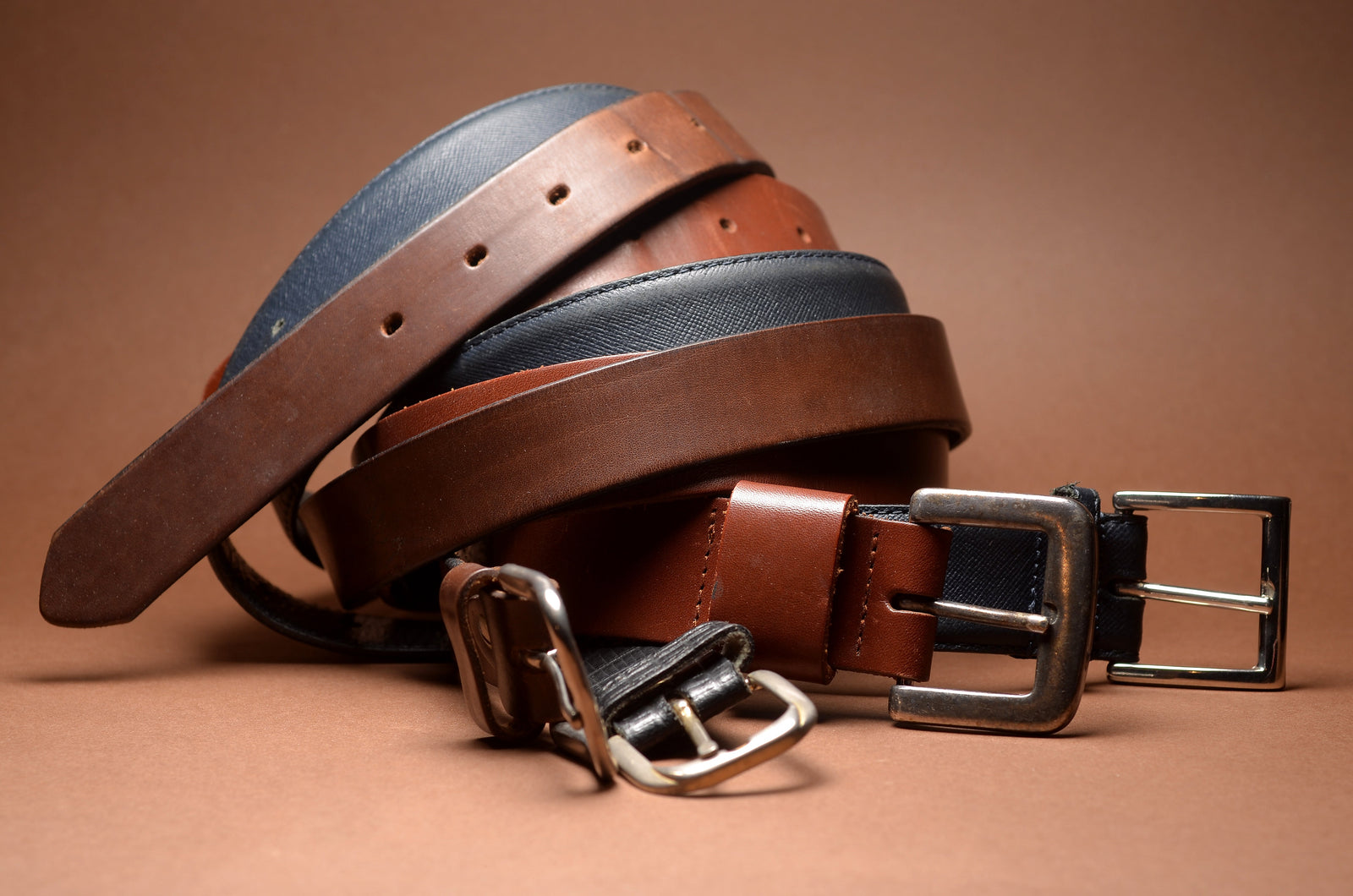
Brown is an easy place to begin if you wear blue jeans with brown boots or casual leather shoes. Dark brown gives you a less pronounced contrast against deep indigo. A lighter brown can stand out more against the same denim.
Look at the undertone as well as the label. Two belts called brown can lean toward different shades, and a product photograph may look different on your screen. Compare the available images with shoes you already own.
Black With Darker Outfits
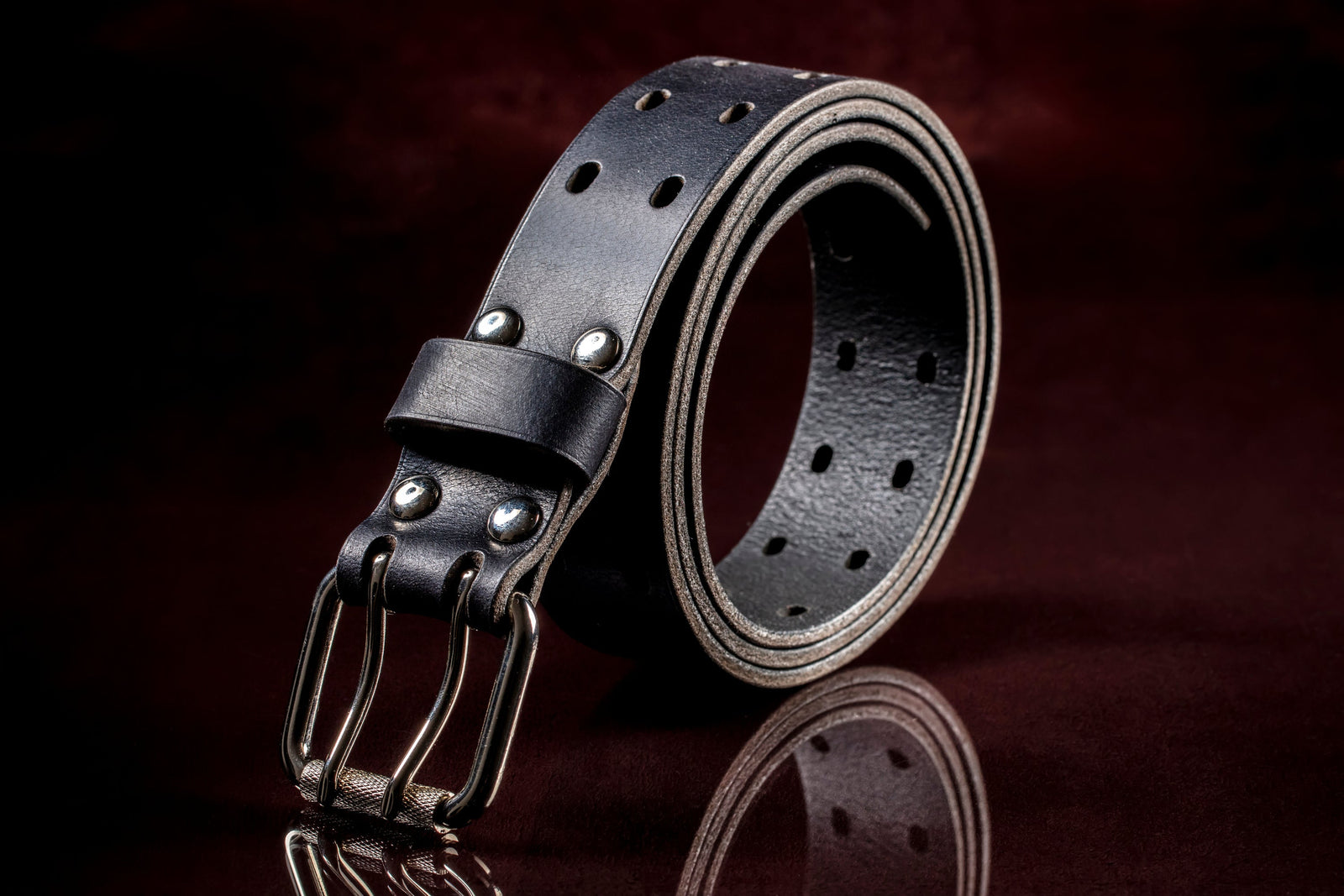
A black belt is a straightforward option with black jeans and black shoes. It also works with blue or gray denim when you prefer a darker waistband detail.
Finish still matters. A very glossy black strap can look dressier than the rest of a faded jeans outfit. A less reflective surface may feel more at home there.
Contrast When You Want the Belt to Show
If you're tucking in your shirt, think about how much attention you want at the waist. A lighter strap against dark jeans creates a more noticeable break. A darker strap can blend into the denim more quietly.
Neither approach is inherently better. Try the combination in ordinary light, then step back far enough to see your whole outfit rather than concentrating only on the buckle.
-
Pick a Buckle You Like Wearing
The buckle is the part you'll notice when you tuck in a shirt, but its shape also affects how the belt feels when you sit. A design that looks appealing in a close-up still needs to suit your day.
A simple frame buckle is an easy choice when you want the leather to remain the main feature. A roller buckle has a moving roller along the edge where the strap passes through. Either can work with jeans; compare the actual dimensions and appearance.
Hardware color gives you another way to adjust the look. Bright metal is more noticeable than a dark finish. You can coordinate it loosely with other visible hardware, but there's no need to make every metal detail identical in a casual outfit.
Before choosing a particularly large buckle, consider the rise of your jeans and where it will sit when you're seated. You shouldn't have to arrange your clothes around an uncomfortable fastening.
If you plan to replace the buckle later, confirm compatibility with the strap and attachment. Removable hardware gives you options, but strap width alone doesn't establish that a replacement will fit.
-
Compare Three Hanks Belts for Different Denim Looks
The Crazy Horse, Canyon, and Ledger are all made in the USA from solid, single-piece full-grain leather. Each has an interchangeable buckle attached with Chicago screws. Their widths and finishes give you different starting points for styling jeans.
|
Model |
Width |
Leather and Finish |
Suggested Denim Pairing |
|
Crazy Horse |
1.5 Inches |
Full-Grain Water Buffalo With a Rustic Appearance |
Faded Jeans and Relaxed Outfits |
|
Canyon |
1.5 Inches |
Hand-Burnished English Bridle Leather With Edge Stitching |
Dark Denim and a More Finished Outfit |
|
Ledger |
1.25 Inches |
English Bridle Leather With a Refined Profile |
Jeans Worn With a Narrower Belt and Tucked Shirt |
The pairings above are our styling suggestions. Use them to narrow your search, then compare each belt with the clothes you own.
Choose the Crazy Horse for Casual Character
Start here if your jeans wardrobe leans toward worn denim and informal shoes. The approximately 9 oz leather gives you a different construction to consider from a heavier strap, while the rustic appearance suits an easygoing outfit.
See the colors, hardware, and sizing details on ourCrazy Horse Jean Belt page if that sounds like your usual style.
Consider the Canyon for a More Finished Look
The Canyon brings a stainless steel roller buckle to its stitched bridle leather strap. We'd compare it with dark jeans and a button-down when you want an outfit to feel a little more considered.
It retains the wider proportion many people associate with a casual belt, so you can evaluate the finish without also changing to a narrower strap.
Try the Ledger for a Narrower Profile
The Ledger offers a 1.25-inch width and a polished nickel buckle. Consider it if you like the look of bridle leather but want less width visible around your waist.
Both the Ledger and Canyon list approximately 12 oz leather. Their width difference is a styling choice to assess separately from leather substance.
-
Build an Outfit Around the Belt You Choose
Suppose you usually wear faded straight-leg jeans, a plain T-shirt, and brown boots. We'd begin with a rustic brown strap and a relatively simple buckle. Let the color relate to the boots without worrying about matching every shade exactly.
For dark jeans, a tucked oxford shirt, and cleaner leather shoes, try a smoother belt. Compare a wider strap with a narrower one if you can. The better choice depends on how each looks with your particular waistband and shirt.
Black jeans with a dark shirt offer another straightforward starting point. A black strap can keep the outfit visually consistent, while brighter hardware adds a visible detail at the front.
You can also wear your usual belt when your shirt is untucked. In that case, comfort and how the buckle sits beneath the shirt may matter more to you than the appearance of the strap.
-
Get the Length Right for Your Jeans
Your jeans size is a label, not a dependable belt measurement. Why? Different cuts can sit at different places on your body, and that changes the circumference where you actually wear the belt.
If you have a belt that fits well with your usual jeans, use the chosen Hanks model's instructions to compare measurements. Our product charts show measurements from where the leather folds over the buckle, excluding the buckle itself.
Check the distance to the hole you normally use rather than measuring only the complete strap. If you need an alternative sizing method, follow the instructions for that model instead of combining advice from several brands.
Once fastened, the belt should hold comfortably with a manageable loose end. A long tail can spoil the appearance of an otherwise well-chosen outfit. Excessive tightening can also gather the waistband awkwardly. If that happens, assess the jeans' fit before deciding you need a different belt.
-
Check the Combination Before You Commit
Try the belt with the jeans and shoes you expect to wear most. A few practical checks can help you decide whether the combination works:
-
Thread the whole waistband. Make sure the strap moves through every loop comfortably, including the back loops.
-
Look at the proportions. Check how the strap and buckle sit with your shirt tucked in, then view the outfit from farther away.
-
Sit normally. Notice any pressure from the buckle or bunching at the waistband.
-
Check the loose end. Confirm that it passes through the keeper and sits neatly without excessive overlap.
If you're choosing a belt to move between casual and smarter denim outfits, explore ourCanyon Leather Belt page and compare its finish with your everyday clothes. Begin with the pair of jeans you reach for most often, then choose the belt you'll be happy to wear with it.
Frequently Asked Questions
What Are the Best Hanks Leather Belts for Jeans?
We'd start with the Crazy Horse for relaxed denim outfits, the Canyon for a more finished appearance, or the Ledger for a narrower profile. The best choice depends on your belt loops, preferred finish, shoes, and fit. Compare those details before choosing purely by appearance.
What Belt Width Should I Wear With Jeans?
A 1.5-inch width is a useful starting point for many jeans outfits. A 1.25-inch belt can also work when you prefer a slimmer appearance. Measure the usable opening of your loops and check strap thickness too. The belt should pass through comfortably without forcing the fabric.
Should My Belt Match My Shoes When I Wear Jeans?
A compatible color and finish are usually enough for casual wear. Brown belts work well with many brown boots and blue denim combinations; black is straightforward with black shoes. You can choose more contrast if you want the belt to stand out. Exact shade matching is optional.
Can I Wear a Dress Belt With Jeans?
Yes, if its width, finish, and buckle suit the outfit. A refined belt can work particularly well with dark denim and a tucked shirt. Check the overall proportions, since a narrow, shiny strap may feel less natural with heavily faded jeans and rugged casual footwear.
Should I Buy the Same Belt Size as My Jeans?
Follow the chosen belt's sizing instructions rather than ordering from your jeans label alone. The rise and fit of your jeans affect where the belt sits. Measuring a belt that already fits comfortably, using the correct measurement points, can help you compare the product chart accurately.